
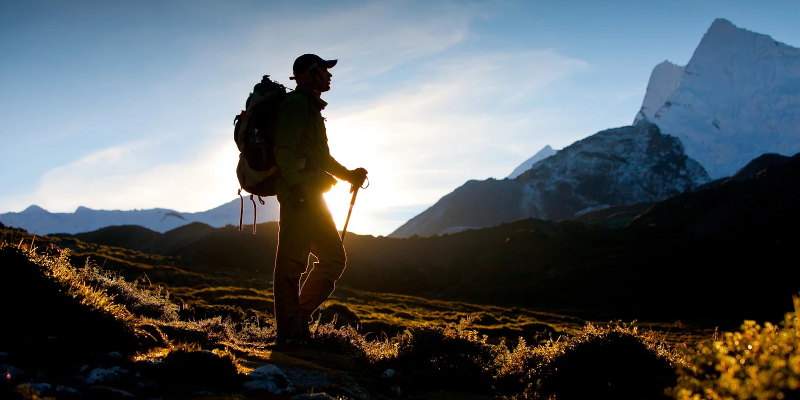
How to Prepare Your Body for Winter Hiking and Trail Running on the North Shore
Vancouver’s North Shore is beautiful in the winter, but the trails can become a lot more challenging as the weather changes. Wet rocks, muddy paths, slippery roots and uneven terrain can make both hiking and trail running more demanding on your body.
Whether you’re heading out for a winter hike or hitting the trails for a run, having good balance, ankle stability, lower-body strength and core control can help you navigate uneven terrain with more confidence.
What should you work on before hitting the trails this winter?
1. Balance
Good balance is important when navigating uneven terrain. Being able to control your body on one leg helps you adjust to changes in the trail and maintain stability when stepping over rocks and other obstacles.
2. Ankle stability
Your ankles are constantly working to keep you stable, especially when walking on uneven or slippery surfaces. Building strength in the muscles around your ankles can help improve your ability to control your foot and maintain stability.
3. Lower-body strength
The muscles in your legs play an important role in both producing the force and power needed to get you up the mountain, as well as keeping you stable and allowing you to hike with control. They help you climb uphill, control your steps downhill and support your knees throughout the hike.
If you’ve seen our recent Instagram post about managing knee pain when hiking, you’ll know how important lower-body strength is for controlling your descent. This becomes especially important when navigating slippery and uneven winter trails, where your muscles need to work harder to help you maintain control and stability.
4. Core stability
Your core helps you maintain control of your body as you move over uneven terrain. Having good core stability allows you to maintain your balance while stepping, climbing and adjusting to changes in the trail.
How Kinesiology Can Help You Prepare for Winter Hiking and Trail Running
Kinesiologists assess movement, strength, balance and mobility to identify areas that may benefit from improvement. Through individualized exercise programs, kinesiology can help build lower-body strength, ankle stability, balance and core control to better prepare your body for the demands of winter hiking.
Whether you’re looking to improve your hiking performance, prevent injuries or return to the trails after an injury, a kinesiologist can help you develop a program that fits your goals and activity level.
Preparing your body for the terrain is just as important as having the right gear. With the right training, you can feel more confident navigating the North Shore trails throughout the winter months.
QubeCore Sports & Rehab offers Kinesiology services in North Vancouver for a wide range of conditions. To book your appointment with Dominique Gravel, call 604.210.2274 or simply book online by clicking HERE.